
Last updated September 22, 2026
Seasonal ADU Care for Los Angeles: Year-Round Homeowner’s Guide
The standard composition shingle warranty is written for 20 inches of annual rainfall and shade cycles. Los Angeles averages 15 inches, nearly all between November and March, followed by nine months of UV and thermal cycling that voids prorated coverage faster than the manufacturer’s table assumes. If you’re maintaining an ADU in Los Angeles, you’re not fighting mildew and rot like a Seattle homeowner. You’re managing fire-driven ember intrusion, hydrostatic pressure on flat roofs after brief intense rain, and sealant failure at sustained 90°F+ surface temperatures. This guide maps each task to the actual NOAA climate calendar for the Los Angeles basin, with specific material callouts and documentation formats that protect your investment and your insurance position.
Quick Answer
ADU maintenance in Los Angeles follows four distinct seasons: October-November fire preparation, December-February rain-season drainage, March-May foundation and slab inspection after the wet season, and June-September UV and heat-load management on sealants and exterior finishes. A documented seasonal checklist, photographed and dated, supports insurance claims and preserves the 365-Day Done Right Promise backing from your design-build contract; see our ADU Design & Permitting Maintenance Checklist for Los Angeles Homeowners for the full framework. Most Los Angeles ADU owners who stay ahead of the cycle spend 4-6 hours per season on preventive tasks and avoid the $8,000-$25,000 reactive repairs we’ve documented after weather events.
Table of Contents
- October-November: Pre-Fire-Season Checklist
- December-February: Rain-Season Drainage and Roof Integrity
- March-May: Foundation, Slab, and Efflorescence Inspection
- June-September: UV, Heat Load, and Sealant Failure
- How to Document Seasonal Maintenance for Insurance
- Special Considerations for Prefab and Modular ADUs
- Common Mistakes to Avoid
- When to Call a Professional
- Frequently Asked Questions
October-November: Pre-Fire-Season Checklist
Los Angeles fire season now reliably begins in late October, driven by Santa Ana wind events that push relative humidity below 10% and carry embers miles ahead of a flame front. For ADU owners, the critical task is verifying that the ember-resistant specifications in your permit set are still intact, not just present, per ADU Permits, Codes & Inspections in CA: What You Need to Know.
Vent Screen Gauge and LA Fire Code Requirements
Under LA Fire Code Chapter 49A for Wildland-Urban Interface (WUI) zones, vent openings into attic, crawl space, and eave areas must be protected with noncombustible corrosion-resistant mesh of 1/8-inch (3.2 mm) or finer. This is not standard window screen. Standard fiberglass mesh burns through in seconds under ember contact.
Check every vent screen on your ADU in October:
- Remove the screen frame and hold it to light. If you can see clear daylight through mesh that looks like standard insect screen, it’s likely too coarse.
- Verify the mesh is metal, not plastic or fiberglass. Aluminum and stainless steel are specified; galvanized steel is acceptable but check for white rust (zinc oxide) that indicates degradation.
- Confirm the frame is secured with screws, not friction-fit or caulked, so wind pressure doesn’t dislodge it.
- Photograph each vent with date stamp. Insurance adjusters in Los Angeles increasingly request this documentation after fire events.
In our experience across 900+ ADUs since 2015, the most common failure point is the garage conversion ADU vent system. The original garage door opening, now filled with wall assembly, often retains the original garage vent locations that were never upgraded to WUI standard. If your Garage Conversion ADU in Los Angeles was permitted before 2020, verify the vent upgrade was included in the permit set, not just assumed.
Ember-Resistant Materials: Specified vs. Degraded
Your permit set specified ember-resistant materials for specific locations. The most common in Los Angeles ADU construction:
- Roofing: Class A fire-rated assembly, typically composition shingle with underlayment or standing seam metal. Check for lifted tabs, missing fasteners, or degraded underlayment visible at eaves.
- Siding: James Hardie fiber-cement products are specified in many Los Angeles ADU permits for WUI compliance. Unlike wood or vinyl, fiber-cement does not ignite from ember contact. Inspect for cracked boards, failed caulk joints at penetrations, and ground clearance that has been reduced by landscaping or grade changes.
- Decking: If your ADU includes exterior decking, the permit likely specified ignition-resistant decking or concrete. Wood decking within 10 feet of the structure is a common post-occupancy modification that voids WUI compliance.
Document the condition of each material with photographs. The Haven Standard Clause 5 (No Surprises) locks material specifications at signing, but post-occupancy modifications by owners or tenants are outside scope. Your documentation protects your position.
Defensible Space: The 0-5 Foot Zone
Los Angeles County requires clearance of combustible materials within 5 feet of the ADU footprint. In October, walk this zone with a camera:
- Remove leaf accumulation from roof valleys and gutters. One ember in dry leaves ignites the fascia.
- Trim or remove vegetation that touches or overhangs the structure.
- Relocate firewood, storage containers, and furniture from the 0-5 foot zone.
- Verify mulch is noncombustible (rock, decomposed granite) within 5 feet. Wood mulch is common and noncompliant.
The Los Angeles Fire Department conducts WUI inspections in high-risk zones. A documented October checklist demonstrates due diligence if questions arise.
December-February: Rain-Season Drainage and Roof Integrity
Los Angeles receives 85% of its annual rainfall between December and March, concentrated in atmospheric river events that drop 2-4 inches in 24 hours on already-parched surfaces. Contemporary Los Angeles ADU designs favor flat or low-slope roofs for height-limit compliance and modern aesthetics. These assemblies drain differently than pitched roofs, and the failure modes are different too.
Drain Clearing Intervals
Flat and low-slope roofs drain through internal drains or scuppers, not gutters. A single clogged drain creates a pond that exceeds the roof assembly’s design load and forces water through the membrane at seams and penetrations.
Schedule drain clearing:
- Pre-season: First week of December, before the first major storm.
- Mid-season: January, after leaf drop from Santa Ana wind events.
- Post-storm: Within 48 hours after any storm exceeding 1 inch in 24 hours.
Clear drains of leaves, debris, and the fine gravel that washes from built-up roof surfaces. Verify the drain basket is present and seated. A missing basket allows debris into the leader line, where it compacts and becomes a below-roof blockage that requires mechanical clearing.
Flashing Inspection Points
Flashing is the sheet metal or membrane transition at roof penetrations, walls, and edges. In Los Angeles, thermal cycling between 40°F winter nights and 80°F winter days causes metal flashing to expand and contract at different rates than the membrane, working fasteners loose and opening seams.
Inspect these points with binoculars or a ladder:
- Penetrations: Vent pipes, HVAC curbs, solar panel mounts. Look for lifted flashing collars, cracked sealant, or rust streaks that indicate water intrusion.
- Wall-to-roof transitions: The most common leak point in Los Angeles ADU construction. Verify the counterflashing is engaged with the wall cladding and the base flashing extends 4 inches up the wall minimum.
- Scuppers and edge metal: Check that edge metal is fastened at 6 inches on center, not lifting, and that sealant at the edge-to-wall transition is pliable, not cracked or chalked.
For New Detached ADU in Los Angeles builds with contemporary flat roof designs, we specify TPO or PVC membrane systems with 20-year manufacturer warranties. The warranty requires documented annual inspection. Your December-February checklist satisfies this requirement.
Interior Signs of Roof Leak
Check the ADU interior after each major storm:
- Water stains on ceiling panels or drywall, especially at light fixtures and HVAC diffusers.
- Musty odor in closet spaces against exterior walls, indicating wall cavity moisture.
- Soft or discolored baseboard at exterior walls, where water tracks down the stud bay and exits at the sill plate.
Document with photographs. A stain photographed in February and ignored until June becomes a mold remediation claim. The same stain documented and addressed in February is a $400 flashing repair.
March-May: Foundation, Slab, and Efflorescence Inspection
After the rain season ends, Los Angeles enters a rapid drying period. The concrete slab and foundation of your ADU have absorbed moisture all winter. Now the moisture migrates outward, carrying dissolved salts that crystallize as efflorescence on the surface. Most efflorescence is cosmetic. Some indicates hydrostatic pressure that threatens the foundation.
Reading Efflorescence: Cosmetic vs. Structural
Efflorescence is the white, powdery deposit on concrete, brick, or block surfaces. It forms when water moves through the masonry, dissolves calcium hydroxide and other salts, and deposits them at the surface as the water evaporates.
Two characteristics distinguish cosmetic from structural concern:
- Location: Efflorescence above grade, on exposed foundation walls or slab edges, is typically cosmetic. It indicates moisture movement but not pressure. Efflorescence at the floor-wall joint, especially if accompanied by dampness or peeling paint on the interior baseboard, indicates hydrostatic pressure forcing water through the slab perimeter.
- Texture and recurrence: Dry, powdery efflorescence that brushes off and does not return after the surface dries is cosmetic. Crystalline, hard deposits that grow back, or efflorescence accompanied by spalling (surface flaking) or cracking, indicates ongoing moisture pressure and potential freeze-thaw damage if the cycle repeats.
Los Angeles does not experience deep ground freeze, but the thermal cycle between wet winter and dry summer creates expansion and contraction in clay soils that stress slab perimeters. In hillside areas of Silver Lake, Echo Park, and the Santa Monica foothills, we’ve seen slab settlement after wet winters that exceeded the geotechnical report’s seasonal moisture assumption.
The Two Signs of Hydrostatic Pressure
Hydrostatic pressure against an ADU foundation occurs when groundwater accumulates faster than it drains, typically after sustained rain on upslope properties or where site grading directs water toward the structure.
Look for these two signs in March, before the soil fully dries:
- Dampness at the floor perimeter that does not dry: In a garage conversion ADU, the original garage slab may lack the vapor barrier and perimeter drainage specified for habitable space. Moisture at the interior baseboard that persists for more than 72 hours after rain indicates pressure, not residual dampness.
- Diagonal cracks in the slab or foundation wall, widest at the bottom: These indicate the foundation is being pushed inward at the base. Hairline vertical cracks are common shrinkage; diagonal cracks wider than 1/8 inch at the base are structural.
If you observe either sign, document with photographs and measurement. The Haven Standard 365-Day Done Right Promise covers construction defects, but it requires documented evidence of conditions within the warranty period. A photograph dated March 2024 with a ruler at the crack establishes the timeline.
Site Grading and Drainage Verification
Walk the ADU perimeter in April, after the soil has begun to dry but before summer hardening:
- Verify the grade slopes away from the foundation at minimum 5% (6 inches in 10 feet).
- Check that downspouts discharge at least 6 feet from the foundation or connect to subsurface drainage.
- Confirm planter beds against the foundation are not overwatered; irrigation spray should not contact the foundation.
- Look for soil settlement that has created a basin against the foundation, common in the first 2-3 years after construction.
For ADU Design & Permitting in Los Angeles, we specify site grading on the permit set and verify it at final inspection. But post-construction landscaping, neighbor construction, and natural settlement alter grades. Annual verification catches these changes before they redirect water toward the foundation.
June-September: UV, Heat Load, and Sealant Failure
Los Angeles experiences 280+ days of sun annually, with surface temperatures on south- and west-facing walls reaching 140°F. This thermal load degrades materials differently than the freeze-thaw cycles that dominate national maintenance guides.
Sealant Types and Failure Modes
The sealants specified in your ADU permit set were selected for Los Angeles conditions. Understanding which type you have determines what to watch for.
- Polyurethane: Common for exterior joints, good adhesion, paintable. Fails by surface chalking and loss of elasticity. In sustained 90°F+ surface temperatures, polyurethane becomes tacky and accumulates dirt, then cracks when cooled. Check for black streaks below joints, indicating the sealant is migrating.
- Silicone: Specified for wet areas and some exterior applications. Excellent UV resistance but poor paint adhesion. Fails by cohesive splitting (tearing within the bead) or adhesive failure (pulling away from one substrate). In Los Angeles heat, silicone can off-gas acetic acid, detectable as a vinegar odor near fresh application.
- Hybrid (MS polymer): Increasingly specified for Los Angeles ADU construction, combining paintability with UV and heat resistance. Fails by surface crazing (fine cracking) at extreme exposure. More durable than polyurethane but more expensive.
Inspect all exterior sealant joints in June, before peak summer heat, and again in September:
- Window and door perimeters: the most critical air and water barrier.
- Wall penetrations: hose bibs, electrical conduit, gas lines, dryer vents.
- Control joints in stucco and fiber-cement siding: these accommodate thermal movement; failed sealant allows water behind the cladding.
- Roof edge and penetration flashings: sealant is secondary to metal overlap but critical in wind-driven rain.
Replace failed sealant with the same type specified in the permit set, not a hardware store generic. Compatibility matters: silicone over polyurethane, or vice versa, causes adhesive failure. If you do not have the permit set, request it from your design-build contractor. Under Haven Standard Clause 3 (Documented Deliverable), Ellery ADU Studio provides the complete permit set and material specifications at project closeout.
Exterior Finish Degradation
James Hardie fiber-cement siding, specified in many Los Angeles ADU permits for fire resistance and durability, requires specific maintenance in high-UV exposure:
- ColorPlus factory finish carries a 15-year warranty against fade and chalking. Inspect south and west elevations for color shift or chalking that indicates warranty claim eligibility.
- Field-painted fiber-cement requires repainting every 7-10 years in Los Angeles conditions, more frequently on elevations with direct afternoon sun.
- Caulk joints at trim boards and corner posts are the first failure point; inspect annually.
For prefab systems like Abodu or Cover, the exterior finish is factory-applied under controlled conditions with warranties specific to the module. The maintenance task is inspection, not refinishing. Document any finish anomaly with photographs and contact the manufacturer’s warranty department; the design-build contractor coordinates if the module was delivered under a single contract.
Thermal Expansion of Metal Components
Aluminum windows, metal roof flashings, and railing systems expand significantly in Los Angeles summer heat. Listen for popping or ticking sounds in early morning and late afternoon, indicating fasteners working loose. Check:
- Window and door hardware operation: binding indicates frame distortion from thermal stress.
- Railing post bases: looseness indicates the post is moving with thermal cycling and enlarging the mounting hole.
- Metal roof panel seams: oil-canning (visible waviness) is cosmetic, but seam separation is a leak path.
How to Document Seasonal Maintenance for Insurance
Homeowner’s insurance claims after weather events in Los Angeles are increasingly contested on maintenance grounds. Carriers argue that the damage resulted from long-term neglect, not the triggering event. A documented maintenance record defeats this argument.
The Format That Adjusters Accept
Insurance adjusters need date-stamped evidence of condition before the event, not a narrative of what you intended to do. Create a digital folder structure:
- Year/Season subfolders: 2024-October-Fire-Prep, 2024-December-Rain-Season, etc.
- Photograph naming: Date_Location_Description, e.g., 2024-10-15_ADU-West-Eave_Vent-Screen-1-8in-Verified.jpg
- Checklist PDF: A signed, dated checklist with each task marked complete or N/A, with photograph references.
The Haven Standard documented photo record, provided on every Ellery ADU Studio project visit, uses this exact format. Clients receive evidence of what was found and what was done, not a summary of how it felt. Apply the same discipline to your seasonal maintenance.
What to Photograph
- Wide shots of each elevation, showing overall condition and surrounding context.
- Close-ups of each critical component: vent screens, drains, flashing, sealant joints, foundation condition.
- Ruler or coin for scale at any crack, stain, or anomaly.
- Weather screenshot from a recognized source (NOAA, Weather Underground) for the date of inspection.
Store in cloud storage with automatic backup. A phone lost in a fire or flood destroys your documentation if not backed up.
Supporting a Claim
If a weather event damages your ADU, your documentation package should include:
- The most recent pre-event seasonal checklist and photographs.
- The event date weather record.
- Post-event photographs taken as soon as safe access is possible.
- The original permit set, showing compliance with code at construction.
- Any manufacturer warranties for roofing, siding, or sealant materials.
The permit set is particularly powerful. It demonstrates that the ADU was constructed to code with specified materials, shifting the burden to the carrier to prove maintenance failure rather than construction defect or event severity.
Special Considerations for Prefab and Modular ADUs
Prefab and modular ADU systems from Abodu, Cover, Dvele, and other manufacturers introduce maintenance considerations distinct from site-built construction. The module is built in a factory, transported, and craned onto a site-built foundation. The interfaces between factory and field work are the critical points.
Transport and Set Stresses
Modules experience road vibration and lifting stresses that site-built structures do not. In the first year, inspect for:
- Interior drywall cracks at module-to-module joints, especially at ceiling and floor lines.
- Exterior trim separation at vertical joints between modules or between module and site-built elements.
- Window and door operation changes, indicating frame movement from transport stress relaxation.
These are typically settlement issues, not defects, but they require monitoring and possible adjustment of sealant and trim.
Manufacturer Warranty Coordination
Each prefab brand carries specific warranties with maintenance requirements:
- Abodu: Structural warranty and finish warranties require documented annual inspection. The inspection checklist is provided at delivery.
- Cover: Smart home systems and HVAC integration require software updates and filter maintenance on a schedule distinct from the building envelope.
- Dvele: High-performance envelope and mechanical systems require specialized maintenance; the manual specifies qualified technician requirements.
When Ellery ADU Studio specifies and coordinates these systems under a single contract, the Haven Standard documentation includes the manufacturer maintenance schedule and verifies completion at the one-year walkthrough. For owner-coordinated installations, maintain the manufacturer documentation in the same digital folder as your seasonal records.
Foundation Interface
The module sits on a site-built foundation, typically a stem wall or piers with a crawl space. The foundation maintenance in this guide applies fully. The module-to-foundation connection, usually a bolted or welded steel frame, requires inspection for corrosion and fastener tightness, especially in coastal Los Angeles zones where salt air accelerates metal degradation.
Common Mistakes to Avoid
- Using a national maintenance checklist without Los Angeles climate adaptation. Tasks like “check for ice dam damage” or “inspect for frost heave” are irrelevant; they displace attention from ember intrusion and UV sealant failure that actually threaten Los Angeles ADUs.
- Assuming the original builder’s warranty covers everything. The 365-Day Done Right Promise covers construction to the permitted drawings. It does not cover owner modifications, tenant damage, or weather events. Seasonal maintenance preserves the warranty; neglect voids it.
- Photographing only problems, not normal condition. Insurance adjusters need “before” photographs to establish pre-event condition. A folder full of leak photographs from 2022 proves the leak existed, not that it was repaired.
- Ignoring the permit set after final inspection. The permit set contains material specifications, drainage plans, and structural details that answer most maintenance questions. Store it with your seasonal records, not in a box in the garage.
- Delaying sealant replacement until visible failure. By the time sealant cracks are visible from the ground, water has been entering for months. Inspect with a ladder and replace at first sign of surface degradation.
- Overwatering landscaping against the ADU foundation. Los Angeles drought-tolerant plantings still receive irrigation. Misaligned spray heads and excessive run times saturate the foundation perimeter, creating the hydrostatic pressure that efflorescence signals.
- Failing to verify WUI compliance after tenant modifications. Tenants install window screens, replace vent covers, and add storage without understanding fire code. An October inspection catches these changes before fire season.
When to Call a Professional
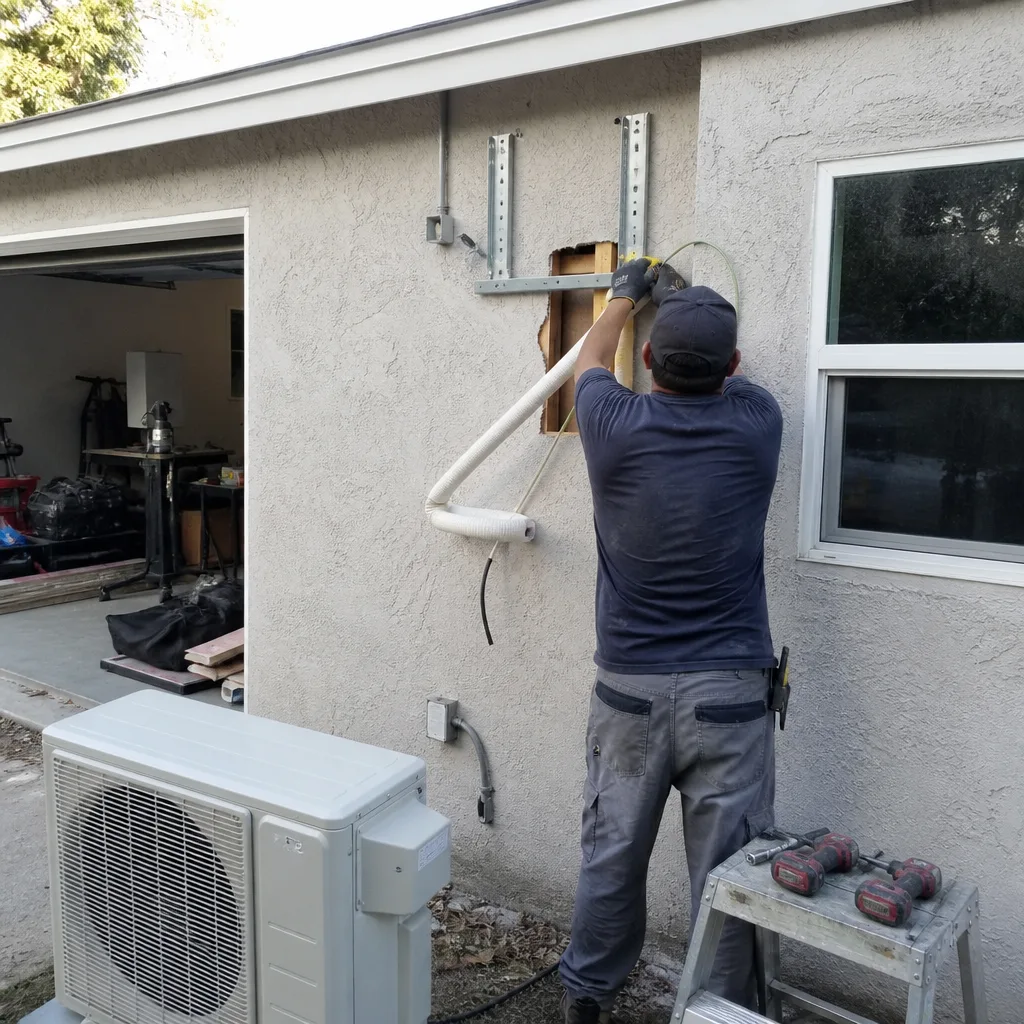
Some conditions require professional assessment, not homeowner monitoring. Call a licensed contractor or structural engineer if you observe:
- Diagonal foundation cracks wider than 1/8 inch, or any crack that allows visible water entry.
- Roof ponding that persists more than 48 hours after rain, indicating drain failure or structural deflection.
- Interior mold or mildew that recurs after cleaning, indicating hidden moisture intrusion.
- Window or door frames that no longer operate after thermal cycling, indicating structural movement.
- Any condition that matches a manufacturer warranty trigger but you’re uncertain how to document the claim.
Ellery ADU Studio Los Angeles offers free estimates for assessment of ADU conditions, including a Free Second Opinion on any written estimate already in hand. A live person answers calls 24/7 at (424) 551-7706. We do not perform seasonal maintenance as a standalone service, but we will assess conditions, reference the original permit set if we hold it, and provide a written scope and price for any corrective work under Haven Standard terms.
Frequently Asked Questions
Homeowner-performed seasonal maintenance costs $200-$400 annually in materials (sealant, vent screen, cleaning supplies). Professional inspection and maintenance service ranges $800-$1,500 per year for a typical 400-800 square foot ADU, with higher costs if corrective work is needed. Call (424) 551-7706 for a written estimate on any corrective scope - estimates are free, and the price is locked before work starts under Haven Standard Clause 1.
No. Under Haven Standard Clause 5 (No Surprises), the scope and price are locked at signing. No door-side upsells, no scope creep. If concealed conditions are found, we document with photographs and provide a written change order with options before proceeding. You approve in writing or we stop.
No. Cleaning drains, replacing sealant, and inspecting vents are maintenance, not construction. However, if inspection reveals structural or system defects requiring repair, that work may trigger permit requirements depending on scope. We verify permit requirements before quoting any repair work and pull permits as required.
A properly installed TPO or PVC membrane roof on a Los Angeles ADU typically lasts 20-25 years with documented annual inspection and maintenance. Composition shingle, less common on contemporary ADU designs, lasts 15-20 years in Los Angeles UV exposure, shorter than the national average due to thermal cycling. Manufacturer warranties require documented maintenance; without it, prorated coverage may be voided.
You should have the complete permit set, final inspection approvals, manufacturer warranties for all materials, and a documented photo record of construction. Under Haven Standard Clause 3 (Documented Deliverable), Ellery ADU Studio provides all of these at project closeout. If your builder did not, request them; they are your property and essential for maintenance, resale, and insurance.
Typically yes, if the ADU is scheduled on your policy and you can demonstrate maintenance was performed. Coverage disputes arise when carriers claim the damage resulted from long-term neglect, not the triggering event. A documented seasonal maintenance record, as described in this guide, is your strongest defense. We recommend reviewing your policy with your agent to confirm ADU-specific coverage and any maintenance documentation requirements.
The Bottom Line
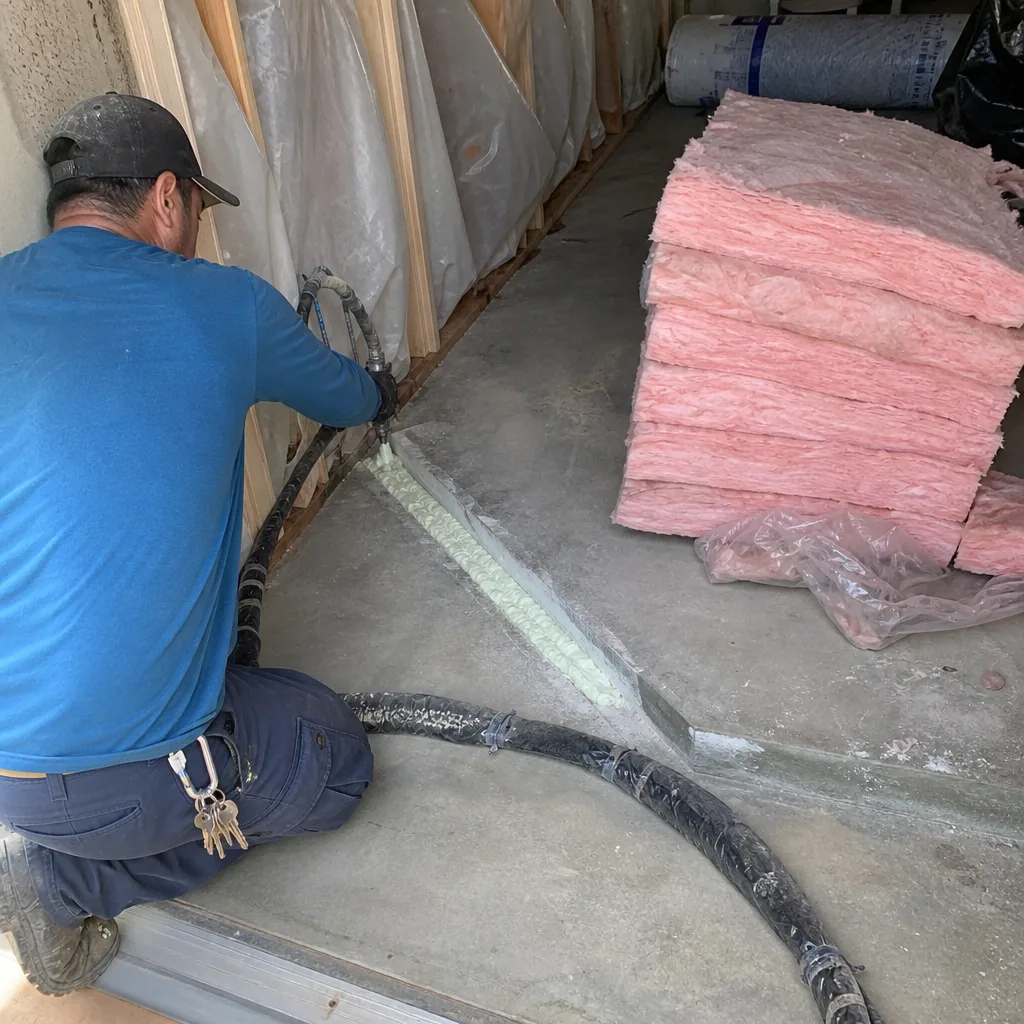
Los Angeles ADU maintenance is not a repurposed national checklist. It is a climate-specific discipline mapped to fire season, concentrated rain, and prolonged UV exposure. The four-season cycle - October-November fire prep, December-February drainage, March-May foundation inspection, June-September heat and sealant management - protects the investment you made in your ADU and preserves your position with insurers and warranties. Document everything with dated photographs. Reference your permit set for material specifications. And when conditions exceed homeowner scope, obtain a written assessment with a locked price before any work begins.
Call (424) 551-7706 to schedule your free estimate or Free Second Opinion on any written estimate already in hand. A live person answers 24/7.
Written by Nadia Ellery, Owner at Ellery ADU Studio Los Angeles, serving Los Angeles since 2015.